Ski
Wide, forgiving pistes and tree-lined pitches rise straight above town, under the heavy, dependable snow of the Hokuriku coast.
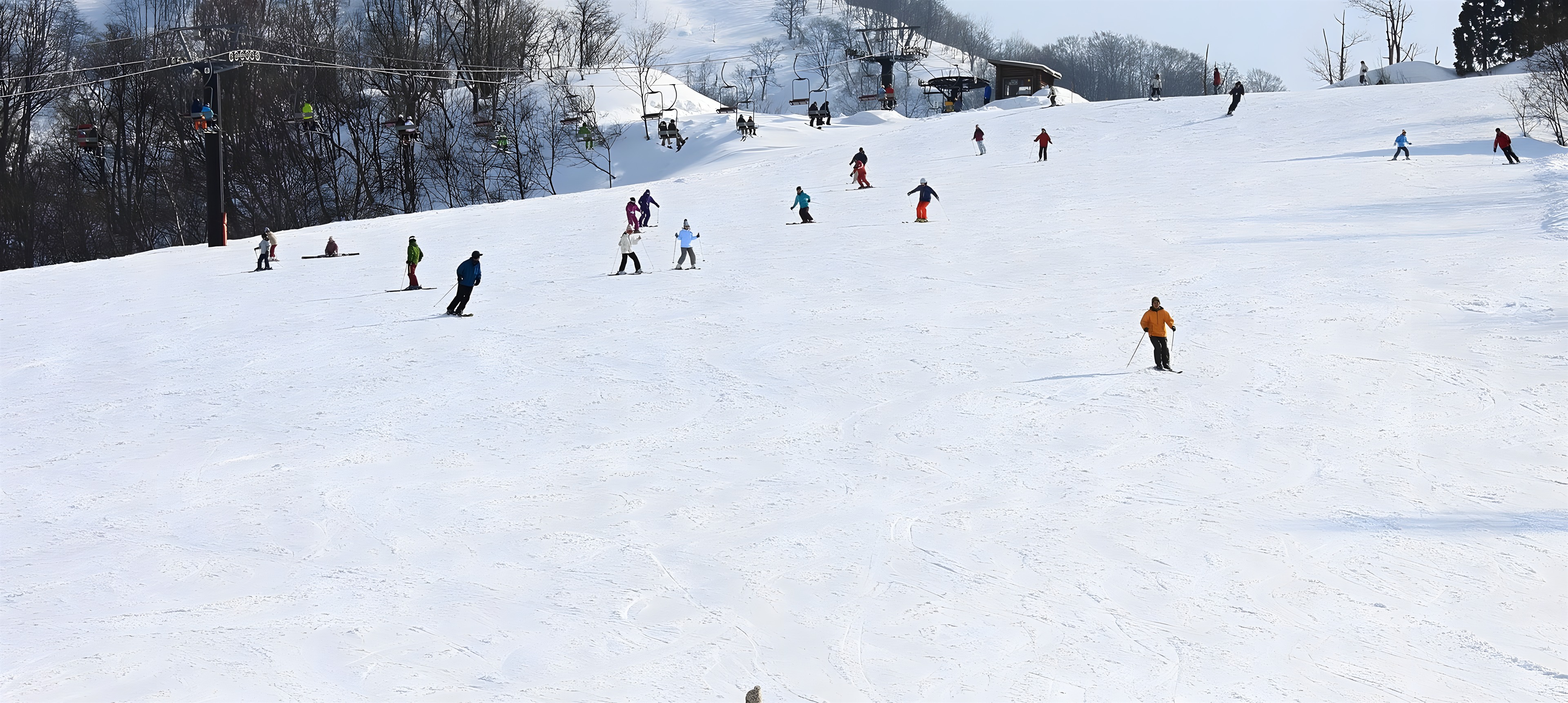
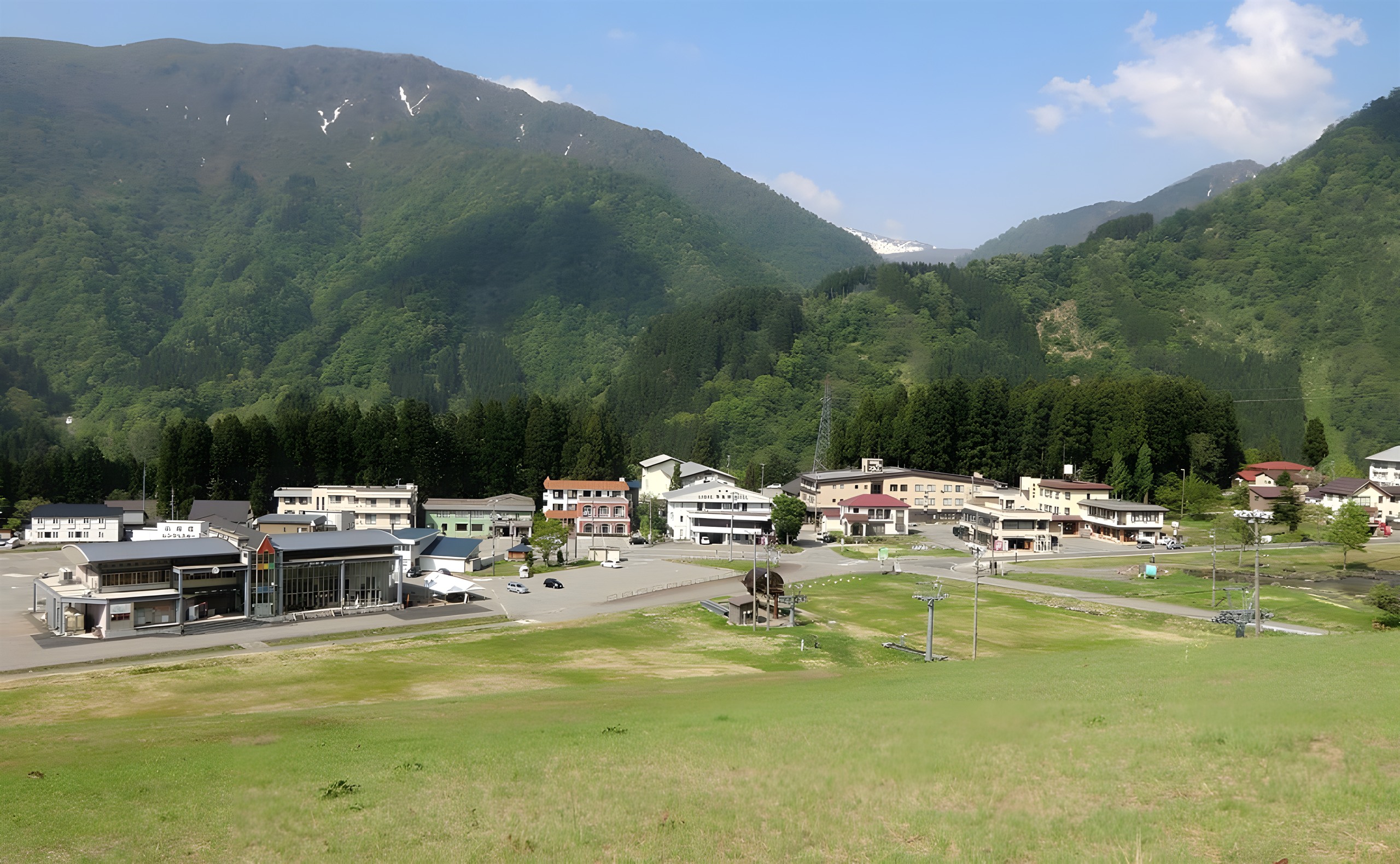
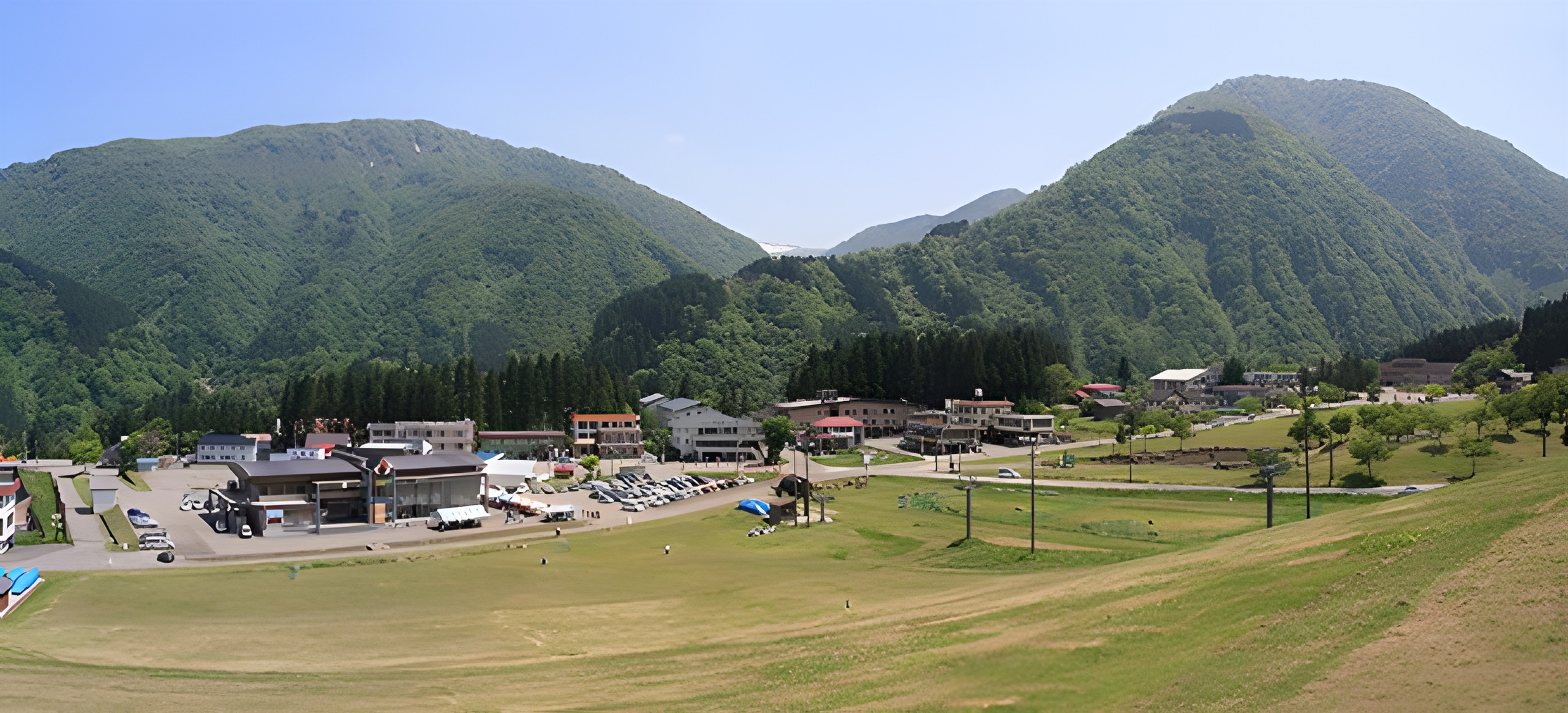
At Ichirino the lifts, the hot springs and the table sit a few steps apart — a Japanese après-ski you can walk to, deep in the foothills of Mt. Haku.
Most mountains scatter your day across a valley. Ichirino gathers it into one small onsen town: carve the slopes at first light, sink into an open-air bath by afternoon, and walk to dinner while the snow keeps falling.
Wide, forgiving pistes and tree-lined pitches rise straight above town, under the heavy, dependable snow of the Hokuriku coast.
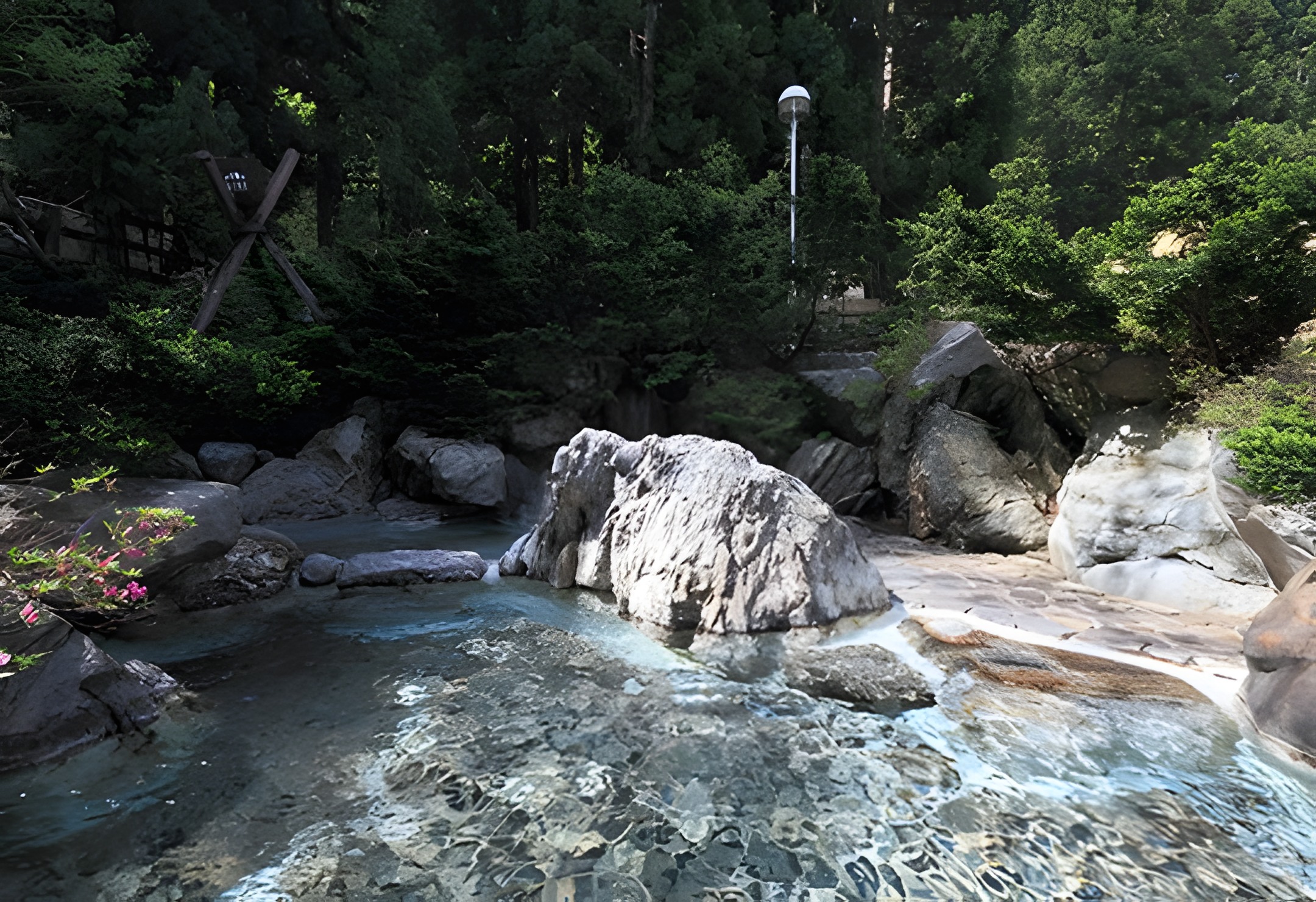
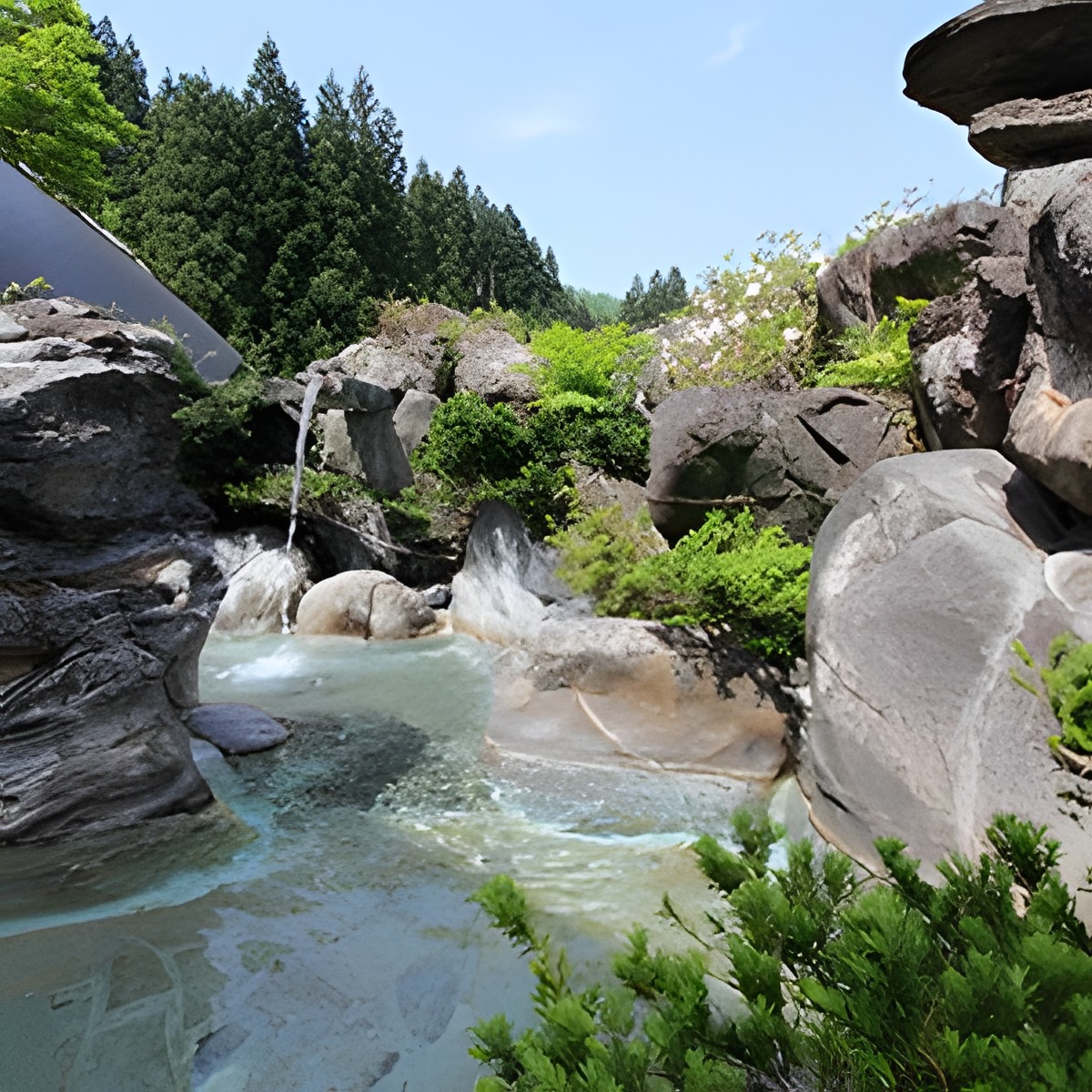
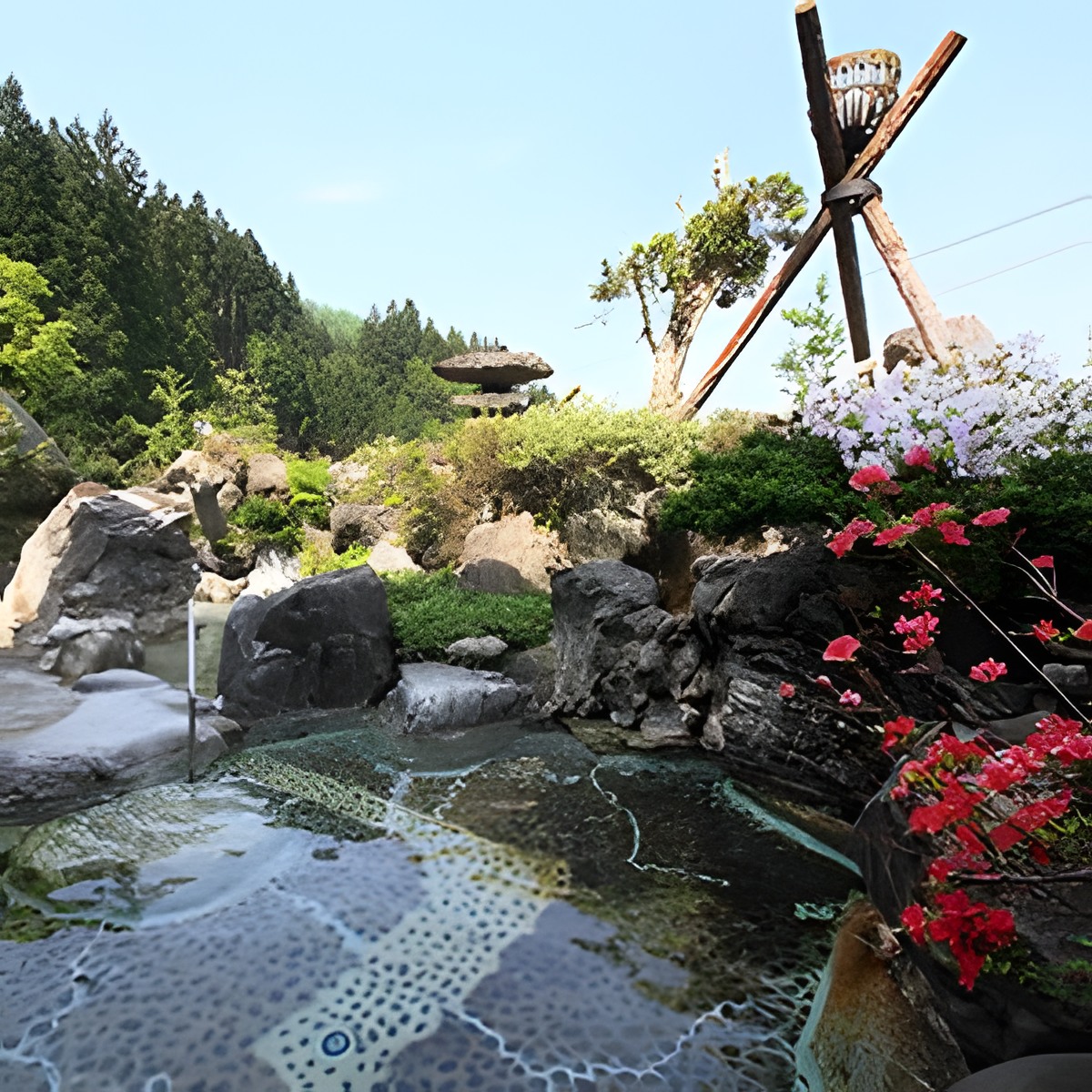
Ichirino Onsen's open-air rotenburo run hot all winter — mineral water, rising steam, and fresh snow settling on the rocks.
Golden katsu curry, steaming pork bowls and honest mountain cooking — a short walk from the lift you finished on.
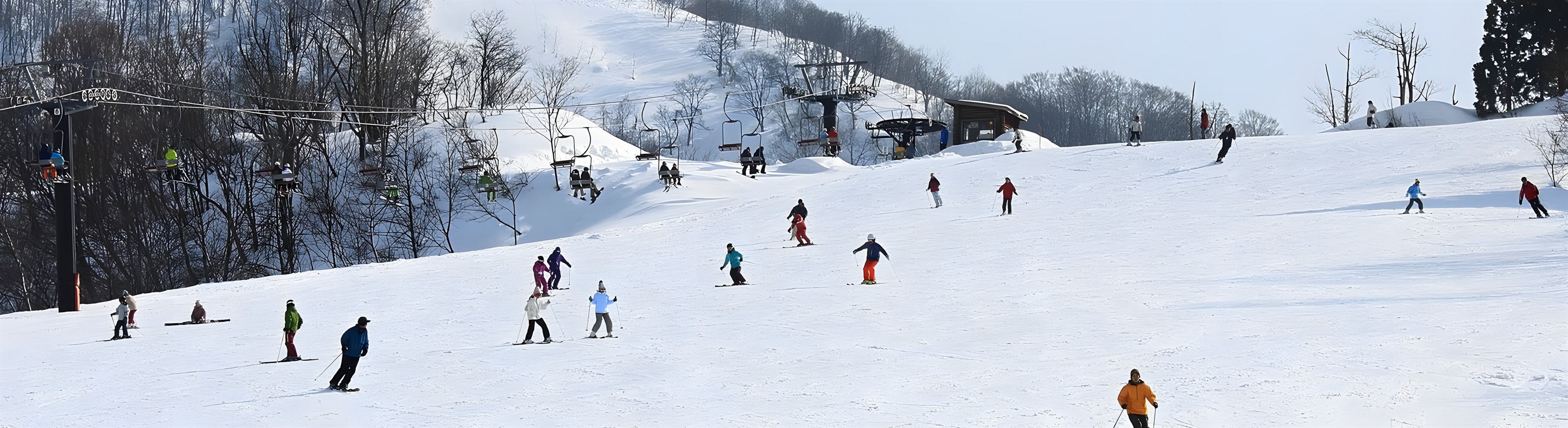
Storms roll in off the Sea of Japan and stack deep, reliable snow across the flanks of Mt. Haku. The terrain runs from broad, sunlit beginner slopes to steeper lines through the trees — enough to fill a long weekend, gentle enough to learn on.
Ichirino grew up around its hot springs long before the lifts arrived. Step out of your boots and into an open-air rotenburo framed by rock and cedar — the ache of a full day on the mountain dissolving into water drawn straight from the earth.
Twenty steps from your skis to the water.
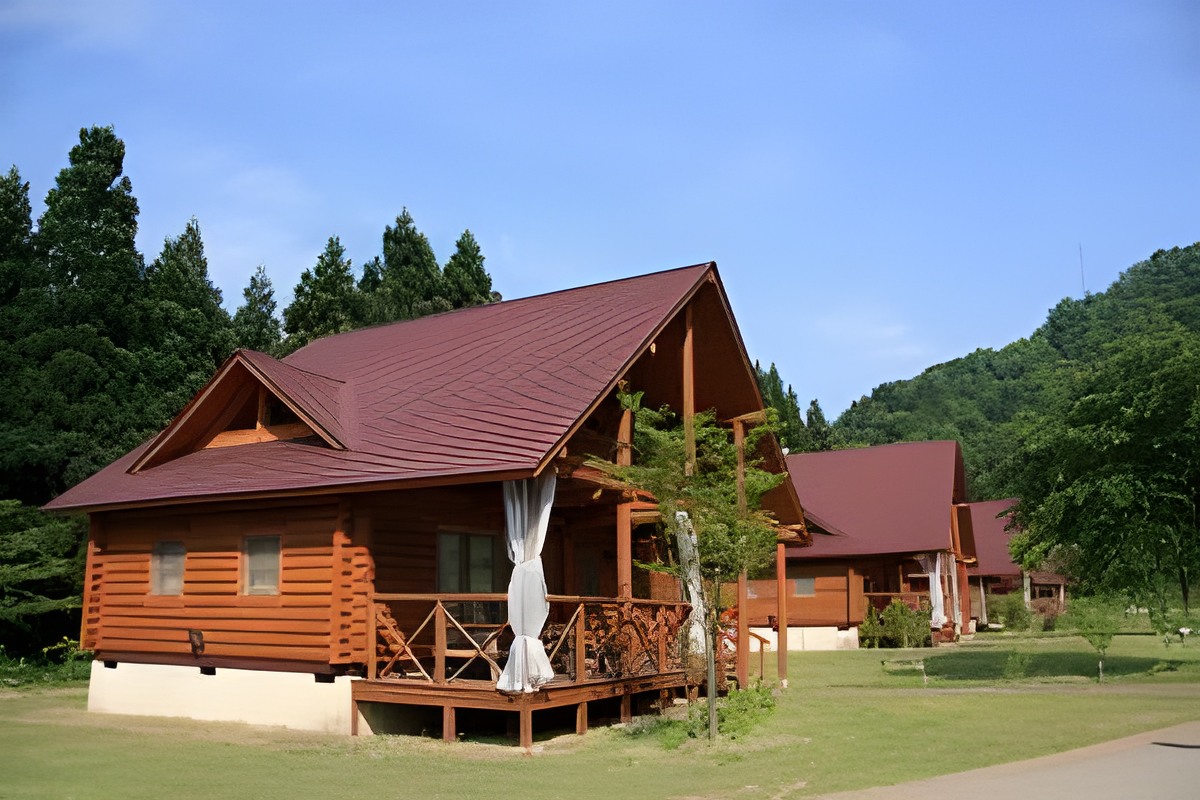
Log cottages in the trees, family-run pensions and hot-spring inns — all within the town. No transfers, no morning gondola queue; just step outside and click in.
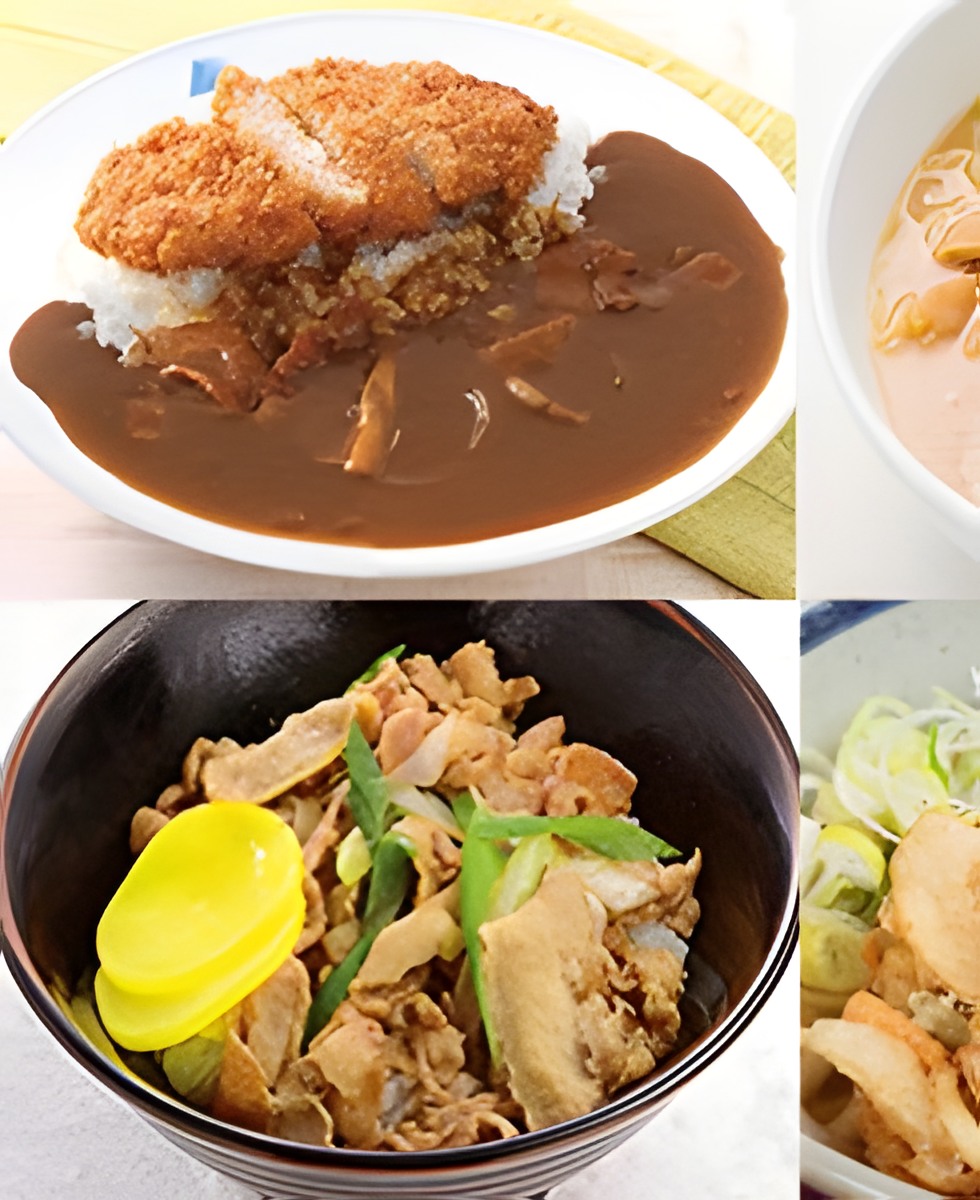
The village kitchens keep it simple and warming: golden katsu curry, steaming pork bowls, tempura and Hakusan mountain vegetables — the food you actually want after a cold day out.
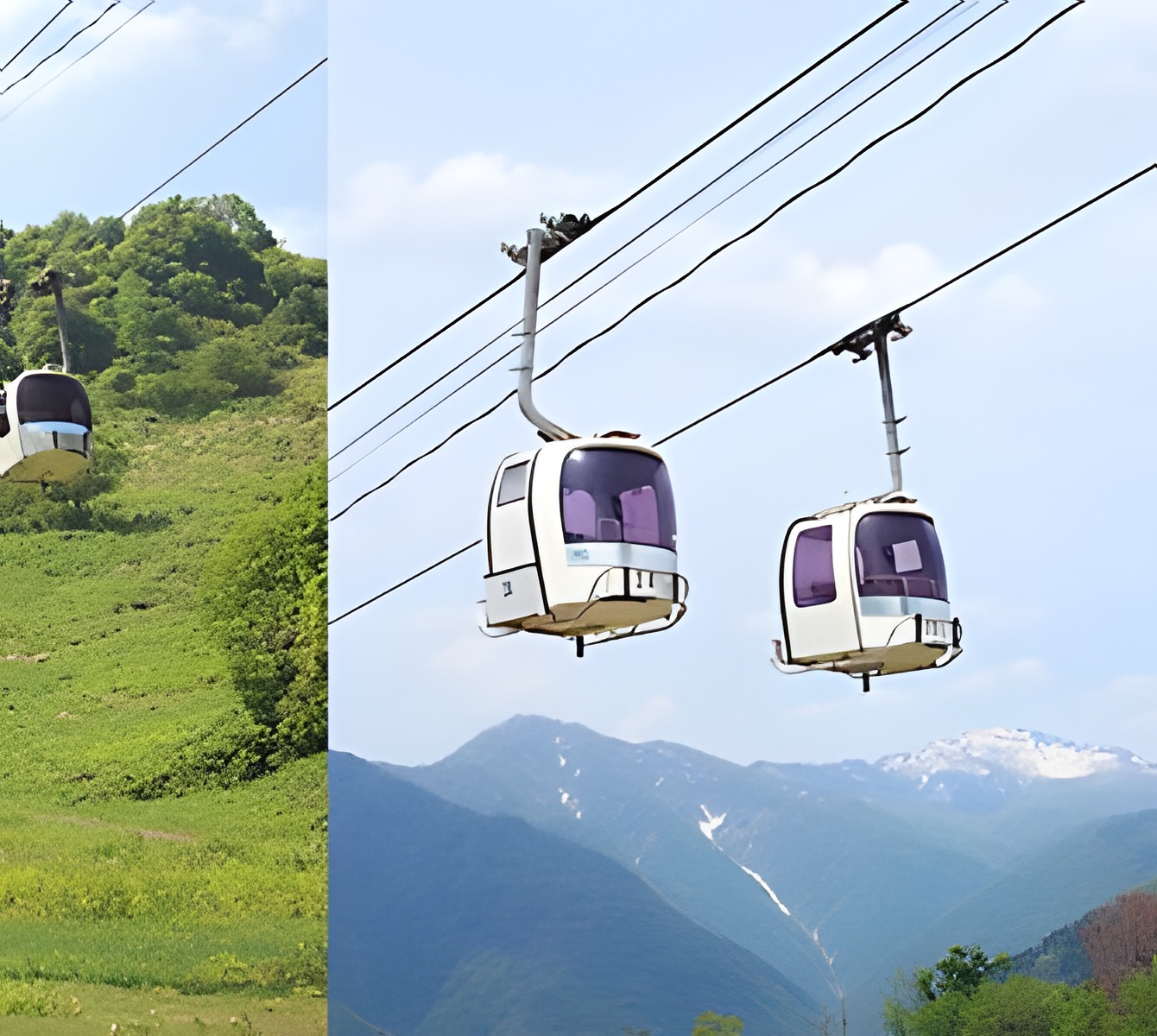
When spring returns, the gondola climbs into Hakusan National Park — one of Japan's three sacred peaks. Hike alpine trails through summer, ride into blazing autumn colour, and finish, as ever, in the bath.
Snow tyres or chains are essential in winter — or let the resort arrange a transfer to your door.